

GORE® Vents
Equalize Enclosure Pressure With Gore Vents
Sealing Devices Inc. is the North American distributor for protective vents made by W.L. Gore & Associates, Inc. We’ve built a strong partnership with Gore to be able to offer GORE® Vents and complementary sealing solutions to customers.
GORE® Vents let sealed enclosures “breathe,” allowing airflow in and out. Membrane vents eliminate pressure differentials created when sealed enclosures are exposed to rapid, recurring changes in environmental conditions. They manage the internal pressure in mobile and outdoor electronics enclosures, packaging and other components, to increase reliability and prevent deformations that could cause component failure. Learn more about GORE® protective vents work and how they operate with our technical deep dive.
Our Offerings
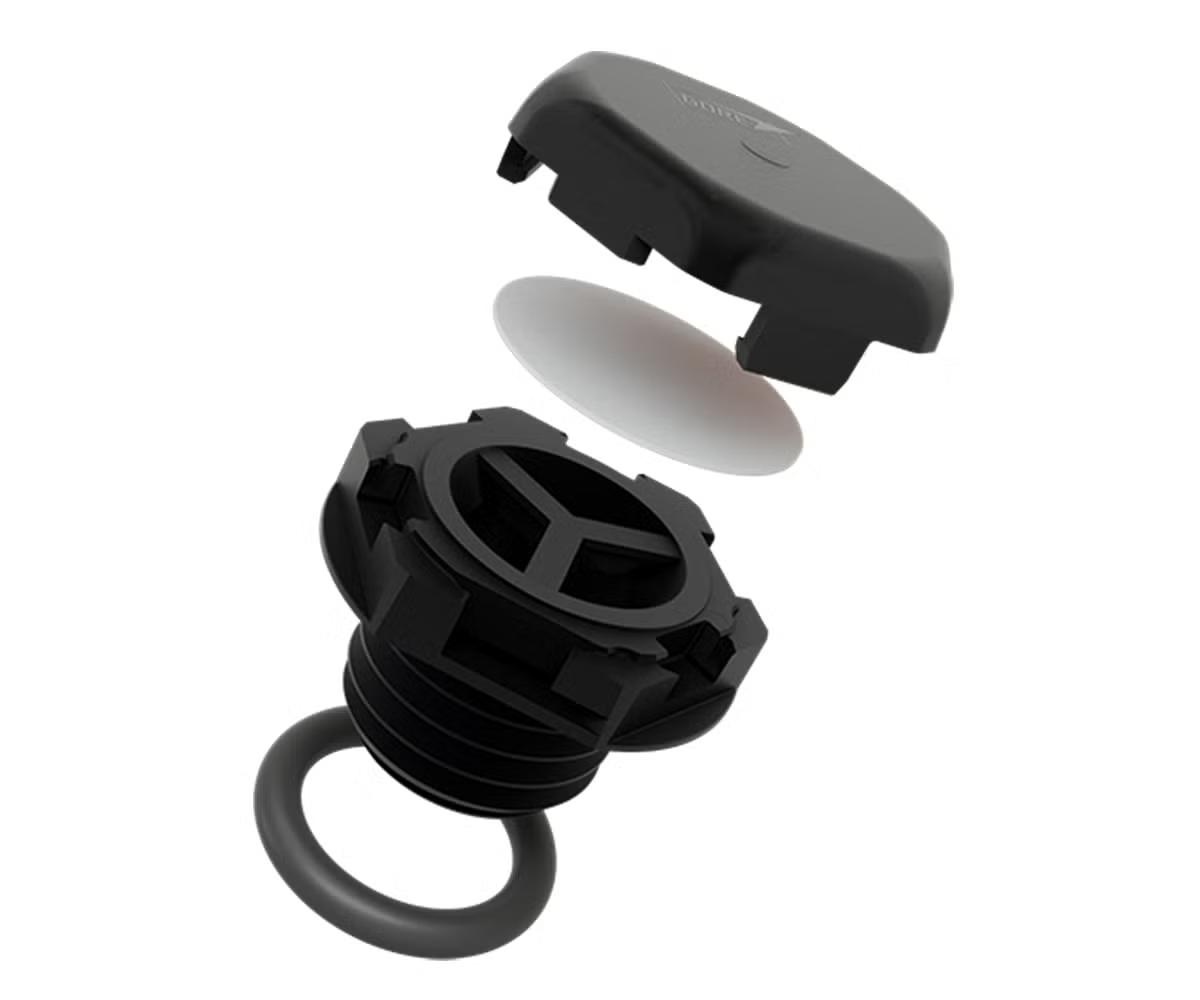
NEW! GORE® PolyVent High Airflow PRO
Built for extreme environments, GORE PolyVent High Airflow PRO features prime ingress protection for electronic enclosures ranging from IP66 to IP69k rating, withstanding even high-pressure water sprays and immersion.
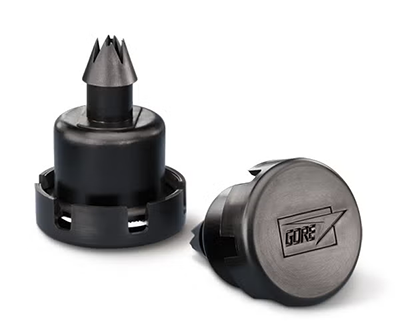
NEW! Gearbox Series
GORE® Protective Vents for Gearboxes are available in a compact tube-mount design, providing high-performance venting with robust contaminant protection. These vents safeguard oil-filled drivetrains, transmissions, and e-motors by enabling pressure equalization, preventing leaks, and blocking water, dust, dirt, and oil aerosols. They are ideal for heavy-duty equipment, rail, marine, wind turbines, and other demanding applications.
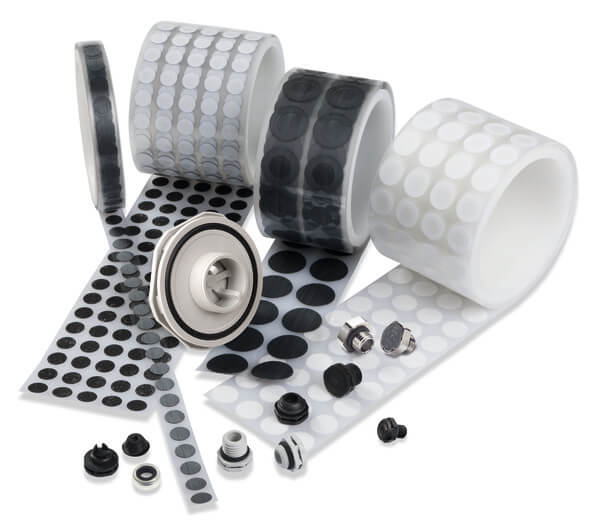
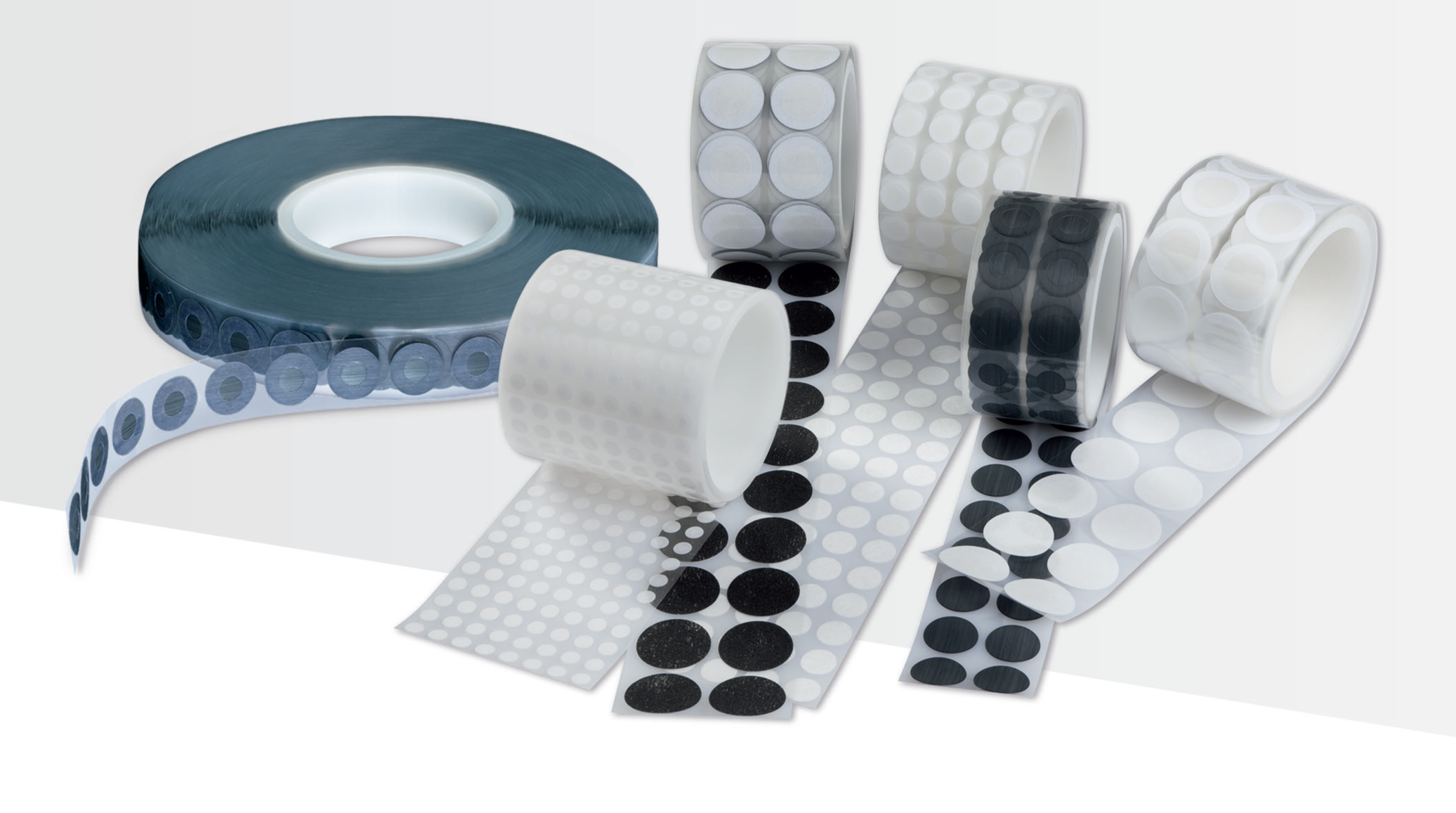
Adhesive Series
Low-profile Adhesive vents are available in standard sizes. There are options for high levels of environmental protection and others with high airflow capability. These ventilation products are generally intended for enclosure ventilation, pressure equalization, condensation reduction, battery and hydrogen out-gassing, as well as sensor applications.
Benefits of GORE® Vents
- Virtually eliminate condensation
- Rapid pressure equalization
- Block contaminants: water, dust, dirt, liquids
- Protect against ‘board level’ electronics failures
- Install easily into existing housing designs
- Eliminate hazardous gas build up
- Improve seal performance to eliminate seal failure
- Good for altitude change pressure elimination
- Eliminate vacuum in enclosures
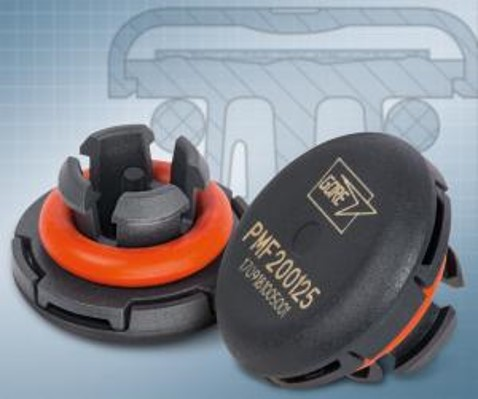
Snap-in Series
The Snap-In Series delivers fast reliable installation and durable protection for enclosure volumes of all sizes: from less than 0.5 liters up to 30 liters. Ideal for high-throughput or manual production, the Snap-In Series offers multiple performance options, including the new PolyVent XS: a compact, low-profile vent size for today’s smaller, thinner-walled, lighter-weight enclosure ventilation needs.
Screw-in Series
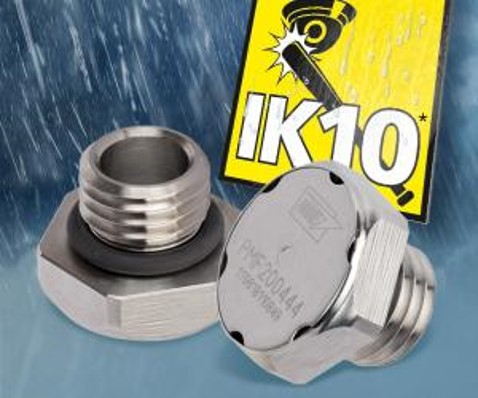
The Screw-In Series of Gore venting offers a variety of performance options that durably withstand mechanical stresses and rugged environments. They all provide oleophobic vent membranes and are hydrolytically stable, UV- and temperature-resistant. Compare all the PolyVent options, including the enhanced GORE® PolyVent Stainless Steel ventilation products, now top-rated “IK10” for mechanical impact resistance. It provides exceptional enclosure ventilation protection that helps enclosures up to 20 liters withstand the toughest mechanical and environmental conditions.
Acoustic Series
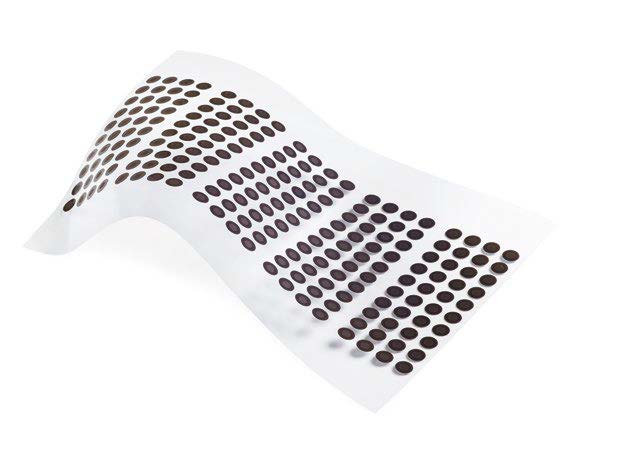
Acoustic vent technology enhances sound transmittance compared with standard protective vents while continuing to provide advanced ingress protection. Options are available for both microphone and speaker solutions. All acoustic vent options leverage vent membranes that further increase vent performance, providing top-line sound transmittance that is expected from Gore venting products. Acoustic vents are available in high acoustic performance and high ingress protection options.
Why Choose Sealing Devices As Your Gore Vents Supplier?
Trusted Partnership with W.L. Gore & Associates: As a technical partner for over 20 years with GORE®, our close relationship ensures access to premium products and reliable solutions tailored to your needs.
Superior Performance: Gore’s vent membranes are oleophobic, hydrolytically stable, UV- and temperature-resistant, ensuring long-lasting performance in rugged environments.
Expertise and Technical Support: Our team of application engineers is available to help you select the right GORE® Vent products to optimize your systems and maximize efficiency.

Please fill out the Request a Quote form and select “GORE Vents” as your product interest. Disclaimer: You will need to fill out a GORE Vent Application form eventually. As the technical partner for protective vents, Gore requires we confirm fitness for use before providing a part recommendation, quote, or samples.